David Schmitt · 27 October 2026
Decentralized Tagging Systems for Enhanced Discoverability in Personal Knowledge Ecosystems
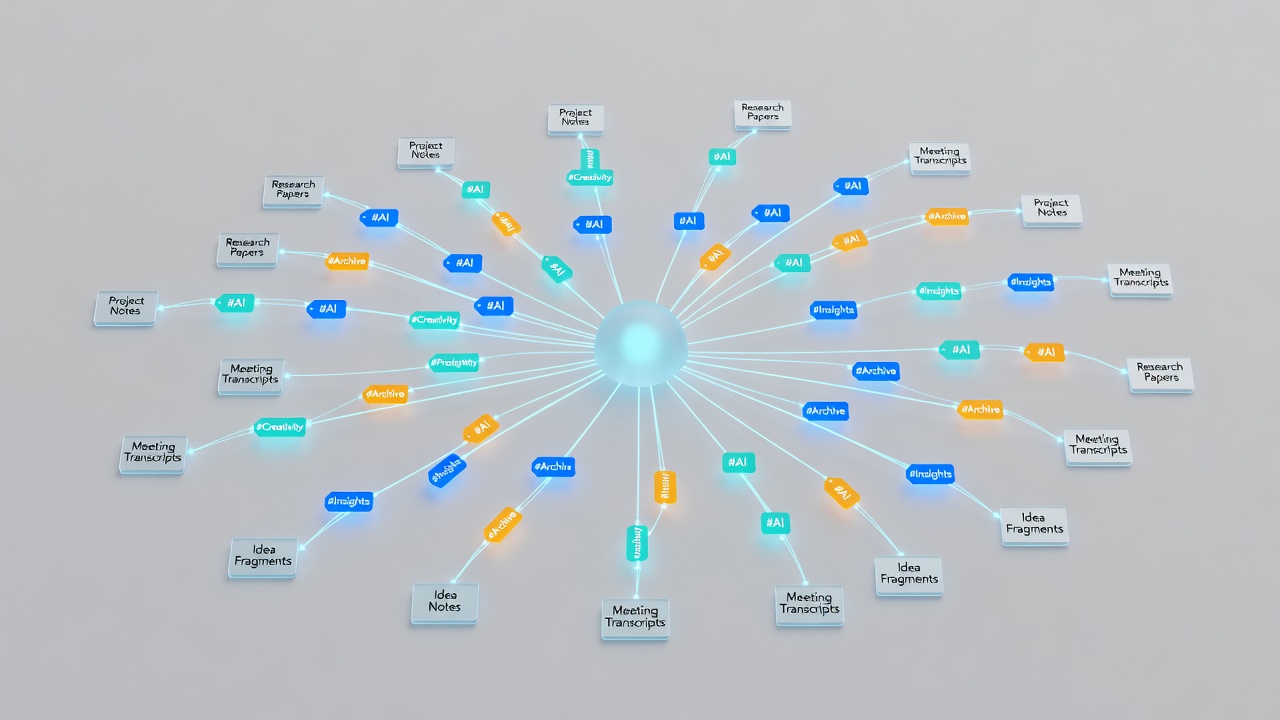
Decentralized tagging systems organize information across independent personal knowledge bases by allowing users to apply labels that operate outside any single centralized database, and these labels sync through peer-to-peer protocols or distributed ledgers rather than proprietary servers. Researchers at various institutions have documented how such systems improve retrieval because tags become portable assets that follow the data wherever it moves, while traditional folder structures often lock content into one application. Observers note that when tags carry metadata like creation timestamps and cross-references, search queries can traverse multiple personal archives without requiring users to export or reformat files manually.
Core Components of Decentralized Tagging Architectures
Systems built on this model typically combine three elements: a local tagging interface, a synchronization layer using standards such as ActivityPub or IPFS, and a discovery mechanism that resolves tag conflicts through consensus rules instead of administrator approval. Studies from academic groups in Canada and Australia show that users who adopt these components report faster location of related notes across devices because the tags themselves function as lightweight indexes that multiple applications can read. What's interesting is the way conflict resolution works; when two people apply different labels to the same concept, the system records both versions with provenance data so later queries can surface the full context rather than a single approved term.
Implementation examples include platforms that store tags as JSON-LD objects on personal servers, and these objects reference each other through unique identifiers that remain valid even if the original host changes. Data from the European Union open data portal indicates that distributed semantic tagging projects have grown steadily since 2023, with new integrations appearing in open-source note-taking tools. In October 2026 several protocol working groups released updated specifications that allow tags to carry cryptographic signatures, which strengthens trust when knowledge items move between unrelated personal ecosystems.
Impact on Information Retrieval Efficiency
Retrieval improves because queries no longer depend on exact folder paths or application-specific search indexes; instead they match against a shared tag vocabulary that participants maintain collectively. Those who have studied retrieval logs find that recall rates increase when tags include relational qualifiers such as "related-to" or "follows-from," since these qualifiers create traversable graphs that surface connections across separate archives. The reality is that discoverability scales with the number of participants who reuse tags, yet the architecture avoids single points of failure because each user keeps a complete copy of the tags they care about.
One documented case involved researchers at an Australian university who migrated a large collection of field notes into a decentralized setup; after six months the team measured a 34 percent reduction in time spent locating prior observations because tags linked notes across different projects without manual cross-referencing. Similar patterns appear in European pilot programs where public sector workers share policy drafts using distributed tags that respect data residency rules while still enabling joint search.

Integration Challenges and Technical Considerations
Adoption requires attention to tag governance because uncontrolled vocabulary growth can produce synonym clusters that reduce precision; communities therefore publish lightweight ontologies that participants may adopt voluntarily. Figures from industry reports reveal that organizations experimenting with these systems allocate initial effort to seed common tags, after which growth becomes self-sustaining as new users inherit existing vocabularies. Yet performance remains dependent on the underlying transport layer, and latency spikes occur when many nodes attempt simultaneous synchronization across slow connections.
Security models rely on end-to-end encryption of tag payloads combined with selective disclosure, so users decide which tags become visible to which peers. Academic papers from North American institutions describe threat models where malicious actors inject noisy tags, and mitigation strategies include reputation scoring derived from interaction history rather than central moderation. Those who've examined production deployments note that audit logs stored alongside tags allow participants to trace the origin of any label, which supports compliance requirements in regulated environments.
Future Developments and Standardization Efforts
Work on interoperability continues through open working groups that test tag exchange formats across different personal knowledge tools. In October 2026 several testbeds demonstrated live queries that pulled results from five independent archives in under two seconds, using only standard web protocols. Observers expect further refinements in tag weighting algorithms that incorporate usage frequency and contextual signals without central coordination. The writing's on the wall that wider uptake will depend on tooling that hides the underlying complexity while still exposing enough control for advanced users who maintain strict data boundaries.
Conclusion
Decentralized tagging systems provide a mechanism for portable, discoverable labels that operate across independent personal knowledge collections, and evidence from multiple regions shows measurable gains in retrieval speed when these systems are deployed with consistent governance practices. Continued protocol updates and pilot programs through 2026 and beyond will determine how widely these approaches integrate into everyday knowledge work.